Compare Local Contractors for Fallen Branch Removal Services
Compare local contractors for fallen branch removal to define scope, verify experience, and set clear expectations for a safe, effective cleanup.
Fallen branch removal is a service that typically involves the safe and efficient clearing of branches that have broken, fallen, or pose a hazard to a property. This work often includes assessing the size and location of the branches, trimming or cutting them away from structures, power lines, or pathways, and ensuring that debris is properly managed afterward. Properly handling fallen branches helps maintain the safety and appearance of a property, preventing potential damage or injury caused by unstable or obstructive limbs.
Defining the scope of fallen branch removal is essential to ensure the project meets expectations and is completed safely. Property owners should clarify which areas require attention, whether the focus is on removing a few large branches or clearing an entire tree canopy. Establishing clear details about the extent of work helps prevent misunderstandings and provides a basis for service providers to determine the necessary tools, techniques, and safety measures. Written agreements that specify the scope can also serve as valuable references should questions or issues arise later.
When comparing local contractors for fallen branch removal, property owners should consider experience, reputation, and the range of services offered. It’s helpful to inquire about the types of trees and branches they have worked with and whether they have the equipment suited for different sizes and locations of fallen limbs. Verifying how each service provider approaches scope and safety procedures can assist in making an informed choice. Reviewing credentials such as references or reviews can provide additional insights into the reliability and quality of the work, helping property owners find a contractor that aligns with their specific needs.
Compare local contractors by outlining priorities, verifying experience, and clearly defining the scope in writing.
- Compare Service Providers - evaluate local contractors based on experience and service offerings to find the best match.
- Define the Scope of Work - clearly outline the removal tasks to ensure all expectations are understood.
- Verify Contractor Experience - review credentials and past work to assess the reliability of local service providers.
- Document Agreements in Writing - establish detailed contracts to set clear expectations and prevent misunderstandings.
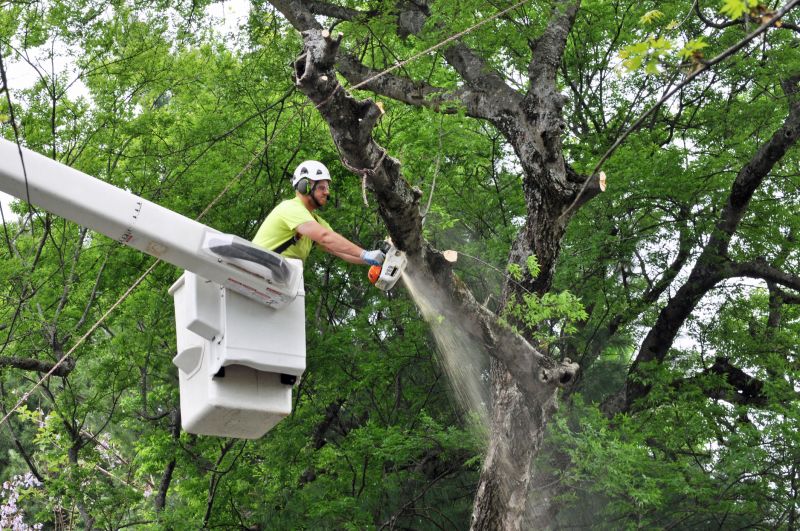
Compare local contractors by clearly describing your fallen branch removal project, defining the scope, and verifying their experience to set clear expectations in writing.
- Verify that contractors clearly define the scope of fallen branch removal services in writing. - Ensure service providers specify the extent of work included and any limitations.
- Compare experience levels among local contractors to identify those with relevant fallen branch removal expertise. - Look for providers who demonstrate familiarity with handling branches of various sizes and situations.
- Check for references or reviews that highlight successful fallen branch removal projects. - Gather insights into the quality and reliability of the contractors’ past work.
- Confirm that contractors provide detailed estimates outlining the work to be performed and the expected outcomes. - Clear documentation helps set accurate expectations for the project.
- Assess the contractors’ approach to safety and debris removal to ensure thorough cleanup. - Understand how service providers plan to handle fallen branches to prevent hazards and mess.
- Ensure all work expectations and scope details are documented in a written agreement before work begins. - Formalizing the scope helps avoid misunderstandings and ensures clarity.
Compare local contractors to clarify scope, verify experience, and establish clear written expectations.
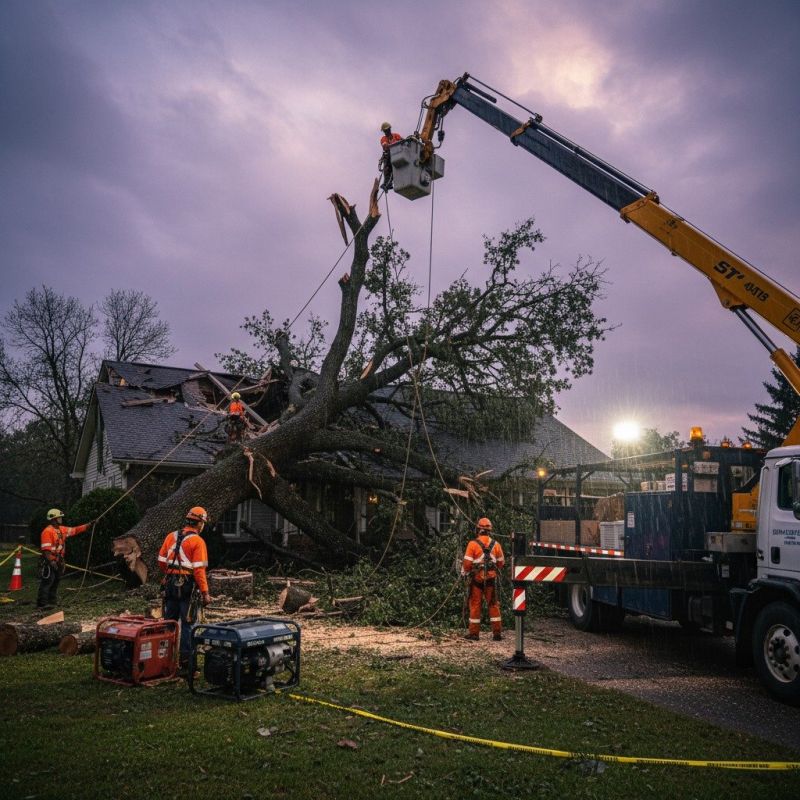
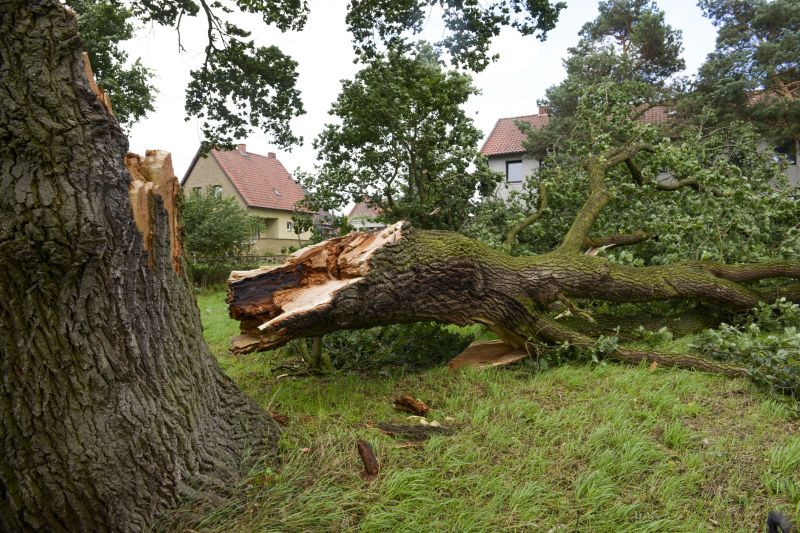
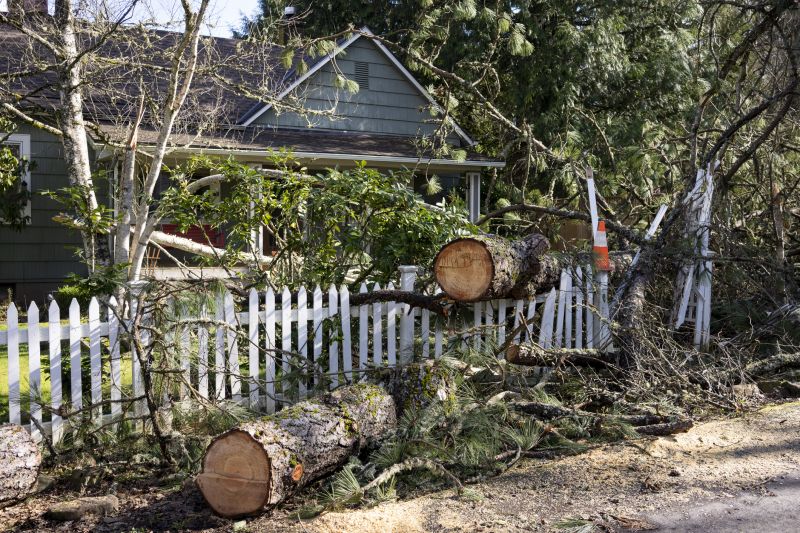
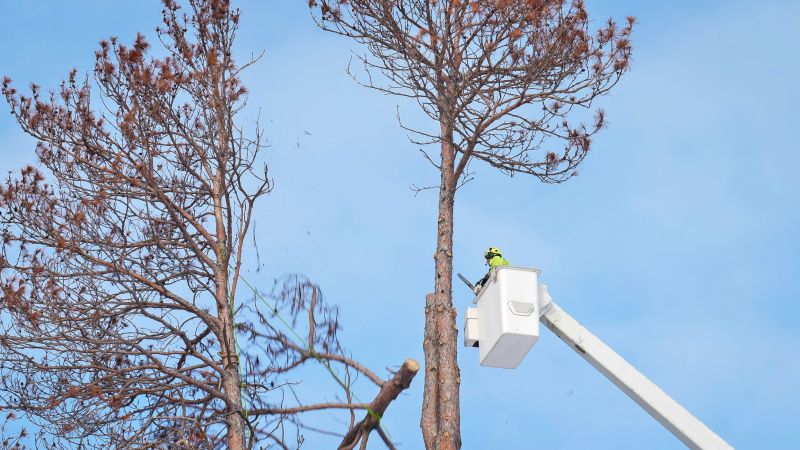
Use consistent comparison criteria to evaluate local contractors’ scope, experience, and written expectations for fallen branch removal.
- Scope Definition - Clearly outline the extent of fallen branch removal, including the size and number of branches to be handled.
- Experience Verification - Identify service providers with relevant experience in safely removing fallen branches from trees or structures.
- Equipment and Methods - Confirm that contractors plan to use appropriate tools and techniques for safe and effective removal.
- Safety Protocols - Ensure service providers follow safety procedures to prevent damage to property or injury during the removal process.
- Written Agreement - Obtain a detailed scope of work and expectations in writing before work begins.
When evaluating contractors for fallen branch removal, it is important to consider their experience with similar projects. Service providers who have handled a variety of tree-related tasks, including large or hazardous branches, are more likely to understand the complexities involved and implement effective solutions. Asking about their past work can provide insight into their familiarity with different types of trees, branch sizes, and site conditions, helping to ensure they have the necessary skills to manage the specific challenges of the job.
A clear, written scope of work is essential for setting expectations and avoiding misunderstandings. A reputable contractor should be able to provide a detailed description of the services included, such as the removal process, debris cleanup, and any safety precautions. This scope acts as a reference point for both parties and helps ensure that everyone is aligned on what the project entails. Homeowners should look for contractors who can articulate a comprehensive plan in writing, which can serve as a basis for future discussions or adjustments.
Verifying the basics of a contractor’s background is a key step in the selection process. This includes confirming their experience with fallen branch removal, understanding their process for handling complex or large branches, and ensuring they have the appropriate equipment and safety measures in place. While licensing and certification are not the focus here, it’s still beneficial to inquire about their work history and reputation within the local community. Gathering references or reviews from previous clients can also help gauge reliability and quality of service.
When comparing options, homeowners should focus on how well each contractor’s experience, scope of work, and communication align with the project’s needs. It is useful to ask for detailed proposals that outline the work plan and to clarify any uncertainties before making a decision. Evaluating how clearly and thoroughly each service provider explains their approach can reveal their professionalism and attention to detail. Remember, this process is about finding a trusted partner capable of safely and effectively handling fallen branch removal, with clear expectations set from the outset.
Ask contractors to provide written scope of work to ensure clear expectations and consistent project details.
- Experience and Expertise - What specific experience do local contractors have with fallen branch removal?
- Scope of Work - How do contractors define and clarify the scope of the fallen branch removal project?
- Comparison of Services - What services and methods do different local service providers offer for fallen branch removal?
- Work Guarantees and Warranties - Do contractors provide written assurances regarding the quality and completeness of the work?
- Communication and Expectations - How do local contractors ensure clear communication about project details and set realistic expectations?
What should I consider when choosing a contractor for fallen branch removal? It's important to compare local contractors based on their experience, scope of services, and reputation. Ensure they clearly define the work to be done and verify their familiarity with tree debris removal procedures.
How can I verify a contractor’s experience with fallen branch removal? Ask for details about their previous projects and the types of trees or situations they have handled. Checking references or reviews can also provide insight into their expertise.
Why is it important to define the scope of work in writing? Having a written description of the work ensures both parties agree on what will be done, reducing misunderstandings and setting clear expectations for the project.
What questions should I ask when comparing local contractors? Inquire about their experience, the methods they use for branch removal, and whether they have the necessary equipment. Clarify what is included in the scope of work to ensure consistency.
How can I ensure a contractor is qualified for fallen branch removal? Look for contractors who have handled similar jobs and request details about their process. Confirm they follow safety standards and have appropriate equipment for the task.
What is the benefit of getting multiple estimates for fallen branch removal? Comparing multiple service providers helps assess the scope of work offered and allows for better understanding of what to expect from each contractor, aiding in making an informed decision.
Homeowners now have the information needed to identify qualified contractors capable of safely and effectively handling fallen branch removal. By understanding how to compare local service providers, define the scope of work, verify experience, and establish clear expectations in writing, visitors can approach the selection process with confidence. Utilizing the quote form provides a straightforward way to explore options and find the right contractor for the job.
Taking the time to evaluate local contractors ensures that the project is approached with clarity and professionalism. Using the quote form to compare and connect with experienced service providers helps set the foundation for a smooth and satisfactory experience. This process supports making informed decisions based on the options available in the area, tailored to specific needs and preferences.